

Non-incisional Ptosis Correction
What is Non-incisional Ptosis Correction?
Non-incisional Ptosis Correction is a surgery that adjusts the eye-opening muscle and related tissue through a small access site without a long skin incision, helping the eyes open more clearly and naturally.
It can be applied in cases where the eyelid covers the pupil a lot, when the forehead and eyebrows are used excessively when opening the eyes, or when the eye appearance looks sleepy.
Unlike simply creating a double eyelid line, the key is improving the eye-opening function. The correction range is decided by comprehensively evaluating each person's eye-opening strength, how much the eyelid covers the pupil, left-right differences, and eyelid thickness. Surgery is performed by Medical Director Kwon Dohyun, Plastic Surgery Specialist (Korea).
At a Glance
Surgery takes about 30 minutes, is performed under sleep anesthesia or local anesthesia, and you can return home the same day. Separate suture removal is generally not required, and the initial recovery period is about 7 days. However, this may vary depending on the surgical method and individual recovery.
Non-incisional Ptosis Correction Surgery Process
- 1Pre-surgery design and eye-opening strength checkThe correction range is designed by checking the position of the eyelids, the degree of pupil exposure, eye-opening strength, and left-right asymmetry.
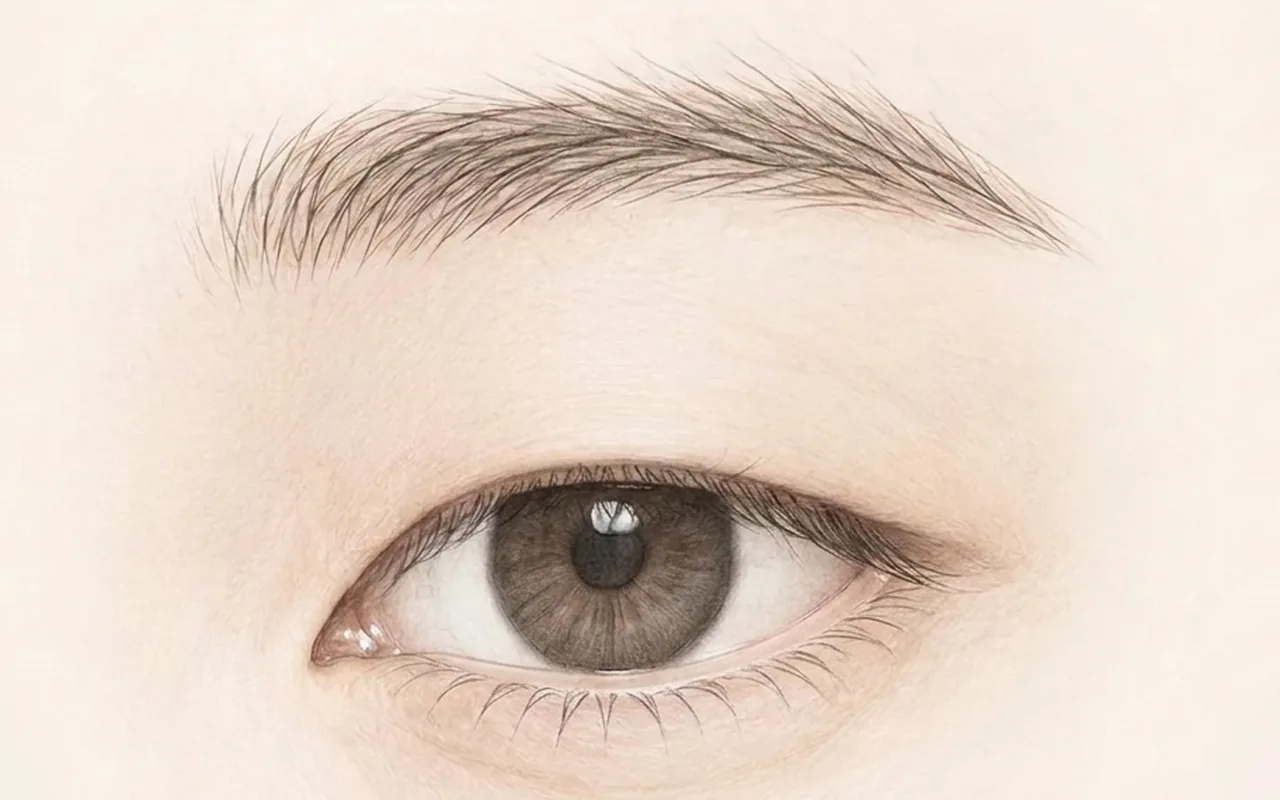
- 2Tissue Access Through Micro PointsSmall points are made on the planned double eyelid line or eyelid to access the tissues involved in opening the eyes.
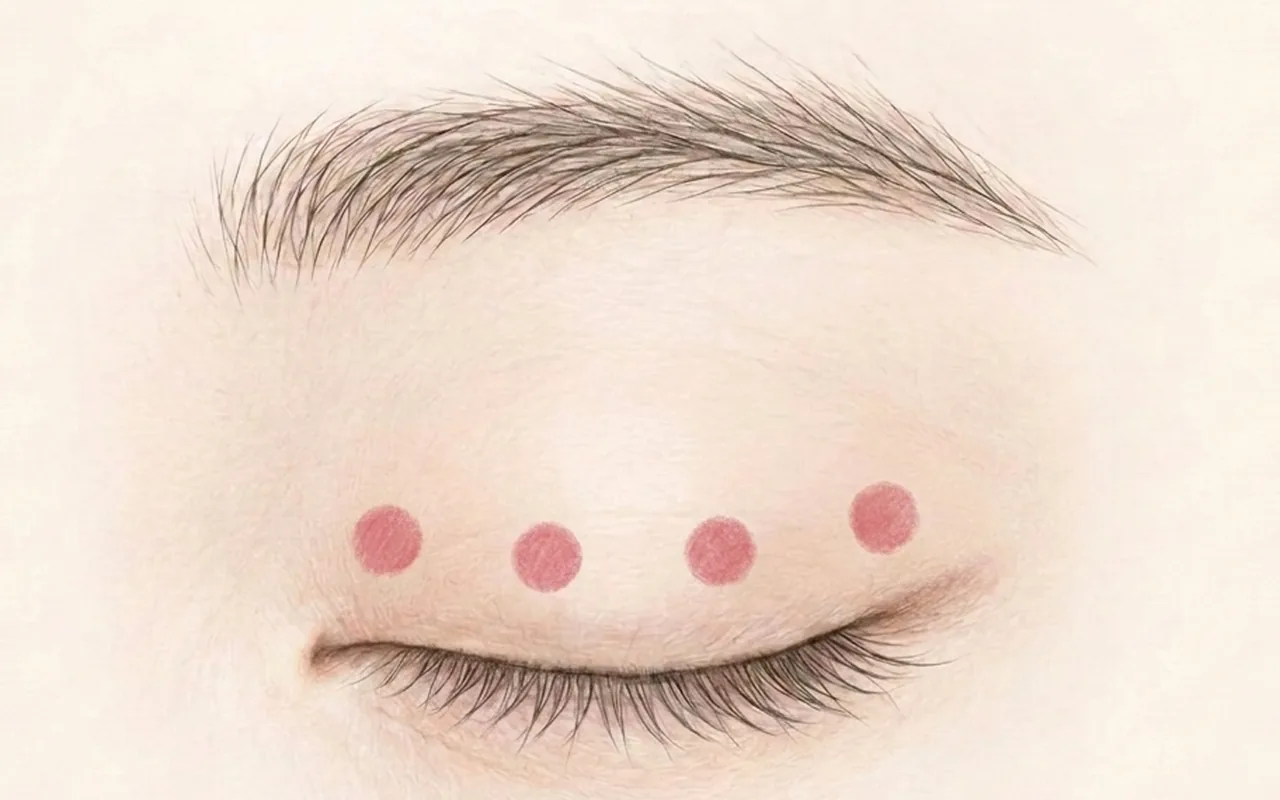
- 3Adjustment and fixation of eye-opening strengthThe tension of the structure that lifts the eyelid is adjusted according to the individual's eye condition and fixed in an appropriate position.
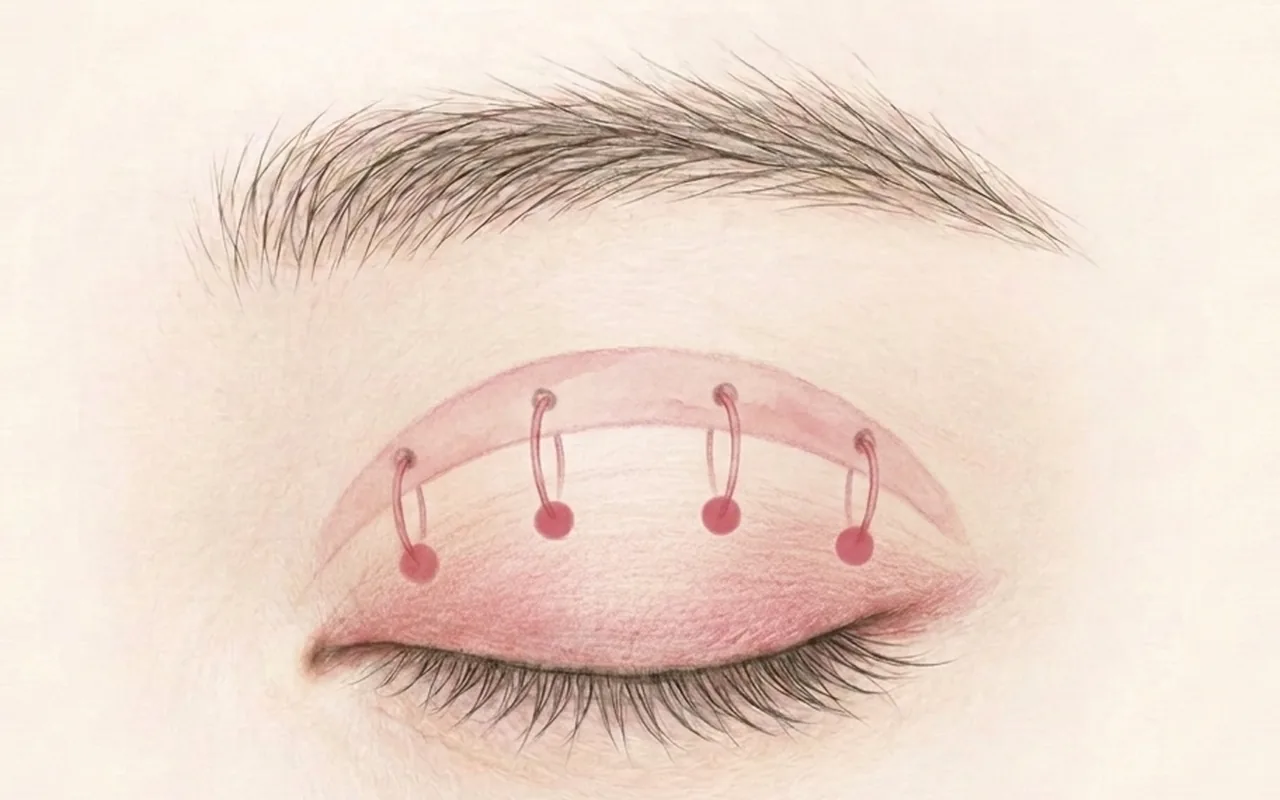
- 4Eye appearance and left-right balance checkWhen the eyes are open, the degree of pupil exposure, eyelid height, and left-right balance are checked to finish naturally.
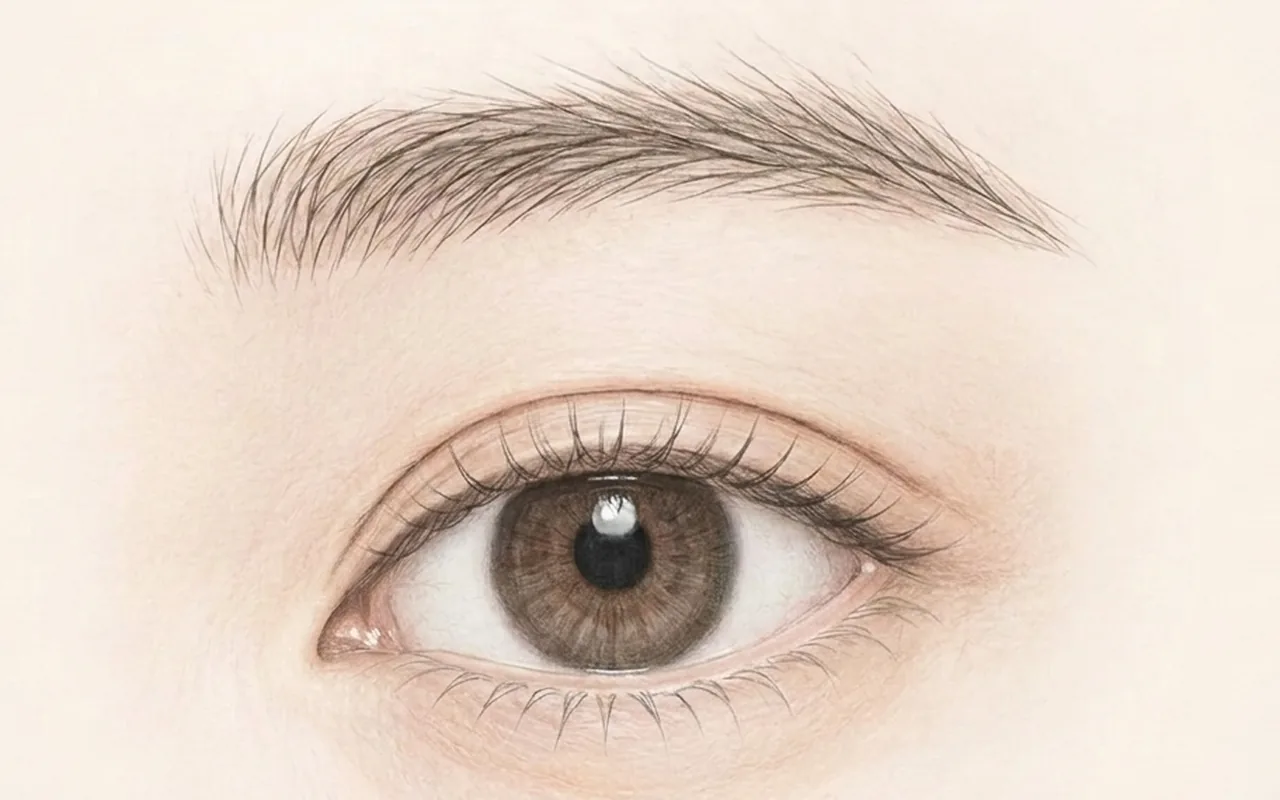
Effects of Non-incisional Ptosis Correction
Difference between Non-incisional Ptosis Correction and Incisional Ptosis Correction
Non-incisional Ptosis Correction mainly considers cases where there is not much skin sagging and relatively mild correction of eye-opening strength is needed, as it adjusts the necessary tissues using small points without making a long skin incision.
In contrast, incisional Ptosis Correction can be considered in cases where the eyelids are thick, there is skin sagging, or more active correction is needed, as it allows direct confirmation of the internal structure through an incision.
However, whether to use non-incisional or incisional should be decided after examining the degree of ptosis and eyelid structure, rather than simply choosing based on recovery period alone.
| Items | Non-incisional Ptosis Correction | Incisional Ptosis Correction |
|---|---|---|
| Surgical Method | Tissue adjustment with small points (no long skin incision) | Direct confirmation and correction of internal structure after skin incision |
| Applicable Cases | Cases with little skin sagging and requiring mild correction of eye-opening strength | Cases with thick eyelids or skin sagging, or requiring more active correction |
| Scarring | Almost invisible | Incision line scar may remain |
| Recovery Period | Relatively short | Somewhat longer compared to non-incisional |
| Correction Range | Mild to moderate eye-opening strength correction | Moderate or higher, complex correction possible |
| Features | Natural correction, can be combined with double eyelid surgery | Precise correction possible by directly checking internal structure, advantageous for correcting skin sagging |
Incisional Ptosis Correction You can view the incisional method surgery process together on the page.
Non-incisional Ptosis Correction, KakaoTalk 1:1 Consultation
The anesthesia method and recovery schedule for non-incisional Ptosis Correction can be inquired in advance via KakaoTalk before the consultation.
What is non-incisional ptosis correction?
It is a surgery that improves ptosis by reinforcing the muscle that opens the eye through a small incision of about 1 mm.
Recommended for
- When the eyelid covers the pupil a lot and the eyes look sleepy
- When it is difficult to open the eyes clearly
- When the forehead or eyebrows are used a lot when opening the eyes
- When the degree of pupil exposure differs between both eyes
- When there is a burden regarding incision
- When desiring a clearer eye shape along with double eyelid surgery
Postoperative precautions
In the early stage after surgery, swelling, bruising, a pulling sensation, or temporary asymmetry may appear. During the recovery process, the eyelid height and eye shape may gradually become more natural.
It is recommended not to rub the eyes hard or apply strong stimulation to the surgical site, and to avoid drinking, smoking, sauna, and intense exercise for a certain period. The timing for washing the face, applying makeup, wearing lenses, etc., follows the medical staff's guidance.
What are the swelling, bruising, and precautions after non-incisional ptosis correction surgery?
After ptosis correction, changes may still occur even after 6 months or more.
Immediately after surgery, swelling and bruising can appear differently on both sides, so eye size or eye tail position may look different. The asymmetry of the eyes you originally had also has an effect. Therefore, rather than judging left-right differences based only on the initial appearance, it is better to evaluate after swelling has sufficiently subsided and the tissue has stabilized.
After eyelid surgery, wearing lenses can cause eye irritation due to swelling, so we usually guide patients to wear lenses about 3-4 weeks after surgery.
Depending on the individual, side effects such as bleeding, infection, swelling, asymmetry, and scarring may occur, and the degree may vary. Please make your decision after sufficient consultation with a specialist.
Non-incisional Ptosis Correction FAQ
My eyes look sleepy even when open. Am I a candidate for non-incisional ptosis correction?
It can be applied when the eyelid covers much of the pupil, the eyes look sleepy, or you use your forehead and eyebrows a lot to open your eyes. The degree of correction is decided after checking your eye-opening strength, left-right difference, and eyelid thickness.
How is ptosis correction different from double eyelid surgery?
Unlike surgery that simply creates a double eyelid, ptosis correction focuses on adjusting the eye-opening function and how much of the pupil is exposed. If needed, it can be combined with the non-incisional (buried suture) method or the Natural Adhesion Method to design the double eyelid line and pupil exposure together.
How is non-incisional ptosis correction performed?
Without making a long skin incision, the tissue involved in opening the eye is accessed through small points. The tension of the structure that lifts the eyelid is adjusted to suit your eye condition and fixed in an appropriate position.
How do you decide between non-incisional and incisional ptosis correction?
Non-incisional ptosis correction is mainly considered when there is little skin sagging and the weakness in eye-opening strength is relatively mild. If the eyelid is thick, the skin sags, or more active correction is needed, incisional ptosis correction may be considered. Rather than choosing by recovery time alone, the decision is made after examining the degree of ptosis and the eyelid structure.
Will my habit of straining my forehead to open my eyes change?
If you habitually use your forehead or eyebrows a lot to open your eyes, correcting the eyelid function can help reduce unnecessary assisting movements. The degree of change varies from person to person.
My eyes look different in size. Can they be balanced?
If the eye-opening strength differs between the two eyes, the amount of correction is adjusted according to their condition in the direction of balancing left and right, and results vary depending on the degree of the original asymmetry. That is why the left-right difference is checked before surgery.
What anesthesia is used, and how long does the surgery take?
We explain it based on an average surgery time of 30 minutes under sedation and local anesthesia.
Do I need to be hospitalized? How long is the recovery?
It is based on same-day return home, and the recovery period is explained as around 7 days. How quickly swelling subsides varies from person to person.
Do I need to come back to have stitches removed?
Non-incisional ptosis correction is explained as a method with no stitch removal.
What about swelling and bruising after surgery?
In the early stage after surgery, swelling, bruising, a tight feeling, or a temporary left-right difference may appear. Because swelling and bruising can differ between the two sides and make eye size or the position of the outer corners look different, it is best to evaluate after the swelling has sufficiently subsided and the tissue has stabilized.
When does the result settle?
During recovery, the eyelid height and eye shape can gradually become more natural, and changes may continue even after more than 6 months following ptosis correction. Rather than judging by the early appearance, the result is checked over a sufficient period.
When can I wear contact lenses again?
Because wearing lenses after eyelid surgery can irritate the eyes due to swelling and other factors, we usually advise wearing lenses 3–4 weeks after surgery.
What should I avoid after surgery?
Do not rub your eyes hard or put strong stimulation on the surgical area, and it is best to avoid drinking, smoking, saunas, and strenuous exercise for a certain period. Follow the medical team's guidance on when to wash your face and wear makeup.
Will there be a scar?
The incision is only shorter; this does not mean that no scar forms at all. Because the method uses small points without a long skin incision, it does not create a long incision line as incisional ptosis correction does, and depending on the individual, side effects such as bleeding, infection, swelling, asymmetry, and scarring may occur, and their degree varies.
Can I ask questions before surgery?
You can inquire about the anesthesia method and recovery schedule for non-incisional ptosis correction in advance through a 1:1 KakaoTalk consultation before your visit. The exact range of correction is decided after checking your eye-opening strength and eyelid condition at the consultation.
View Ptosis Correction Methods Together
Please review non-incisional and incisional ptosis correction and the overall ptosis correction guide together.
For additional inquiries, contact us via KakaoTalk
1:1 KakaoTalk pre-inquiry — Mon–Thu 10:00 - 19:00 · Fri 10:00 - 21:00 · Sat 10:00 - 16:00.