

Incisional Ptosis Correction
What is Incisional Ptosis Correction?
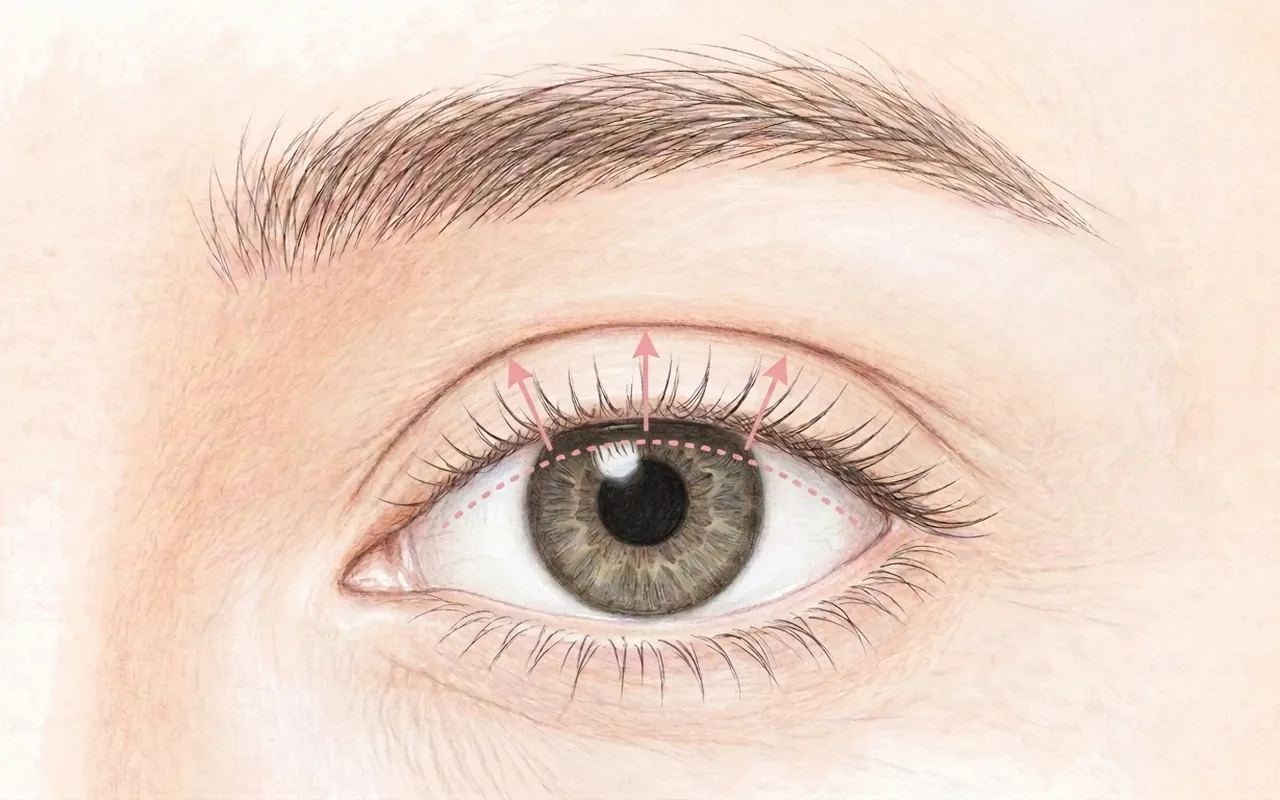
Incisional Ptosis Correction is a surgery that incises the skin along the double eyelid line, then directly checks and adjusts the internal tissues related to the force of opening the eyes to improve the position of the eyelids and the degree of pupil exposure.
It can be applied when the eyelids cover the pupils a lot, making the eyes look sleepy, when the forehead and eyebrows are used excessively when opening the eyes, or when there is a difference in the eye-opening strength between the left and right sides.
Because the internal structure can be checked and corrected directly through an incision, it can also be considered when the eyelids are thick or accompanied by skin sagging, or when more active ptosis correction is needed. Surgery is performed by Medical Director Kwon Dohyun, Plastic Surgery Specialist (Korea).
At a Glance
After Ptosis Correction, the eye shape and eyebrow position may gradually change as swelling subsides and tissue stabilizes. In particular, if the forehead muscle was used heavily to open the eyes before surgery, this compensatory action decreases and the distance between the eyebrows and eyes may look different. It may take 6 months or more, depending on the individual, for the final eye shape to settle.
Incisional Ptosis Correction Surgery Process
- 1Pre-surgery design and eye-opening strength checkThe position of the eyelids, degree of pupil exposure, eye-opening strength, skin sagging, and left-right asymmetry are checked to design the incision line and correction range.
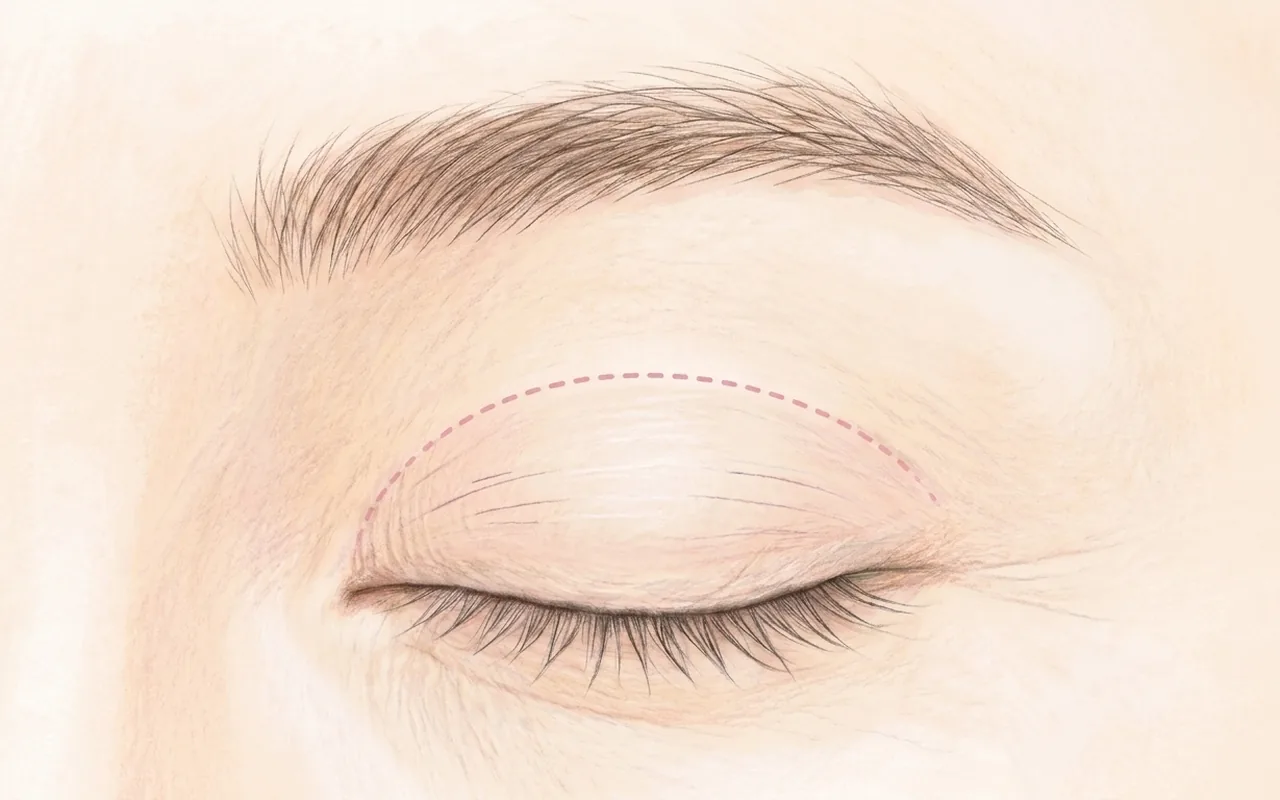
- 2Incision and internal tissue checkAn incision is made along the designed double eyelid line to dissect the skin and surrounding tissues, and the structures involved in opening the eyes are checked.
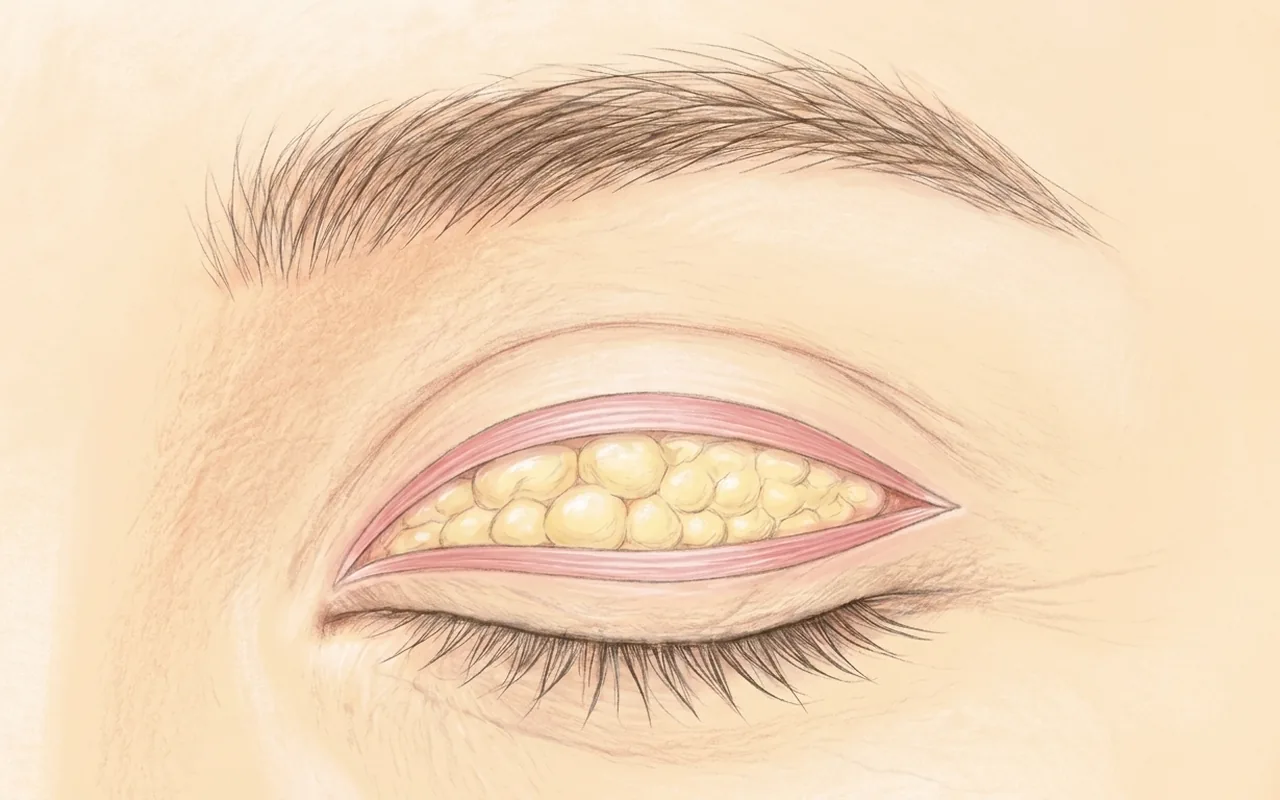
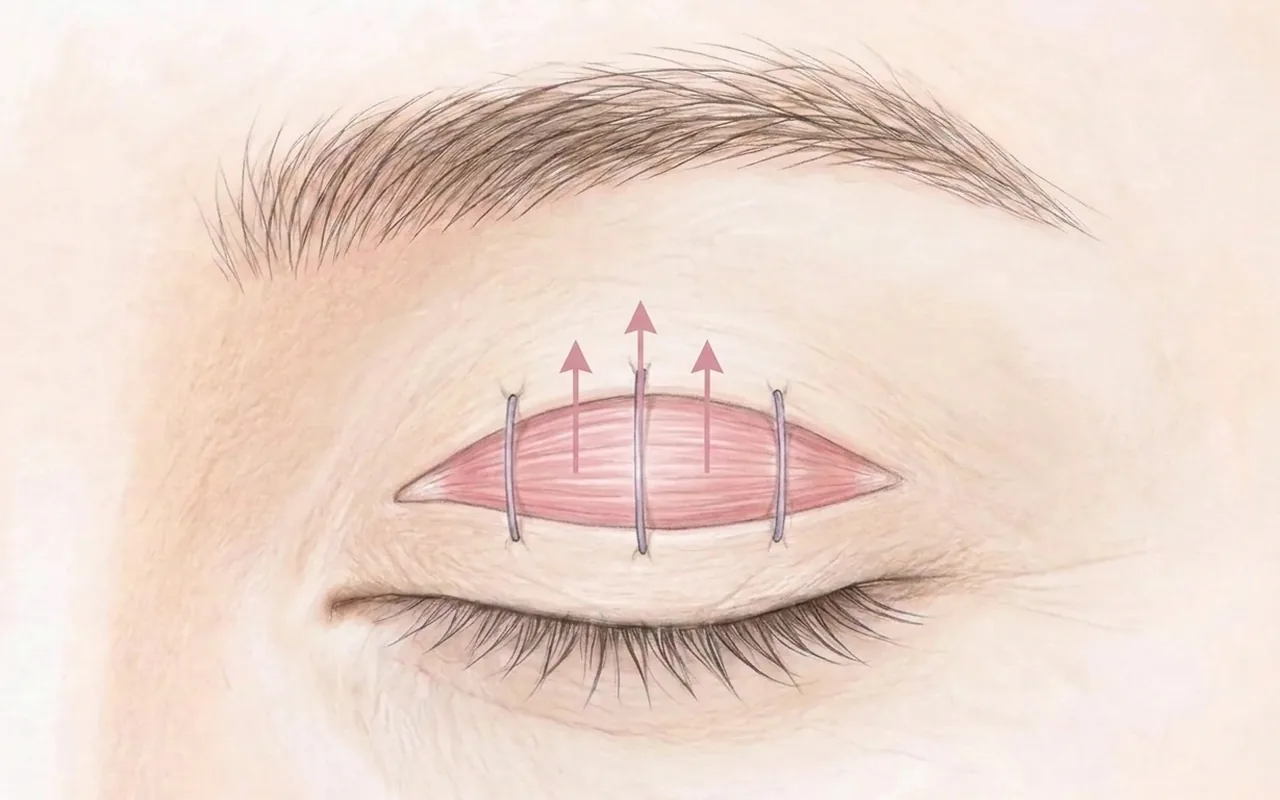
- 3Adjustment and fixation of eye-opening strengthThe structure that lifts the eyelids is adjusted and fixed in an appropriate position according to the individual's eye condition. If necessary, sagging skin or unnecessary tissue is also organized together.
- 4Eye appearance and left-right balance checkAfter confirming the height of the eyelid, the degree of pupil exposure, the double eyelid line, and left-right balance, the procedure is completed with fine suturing.
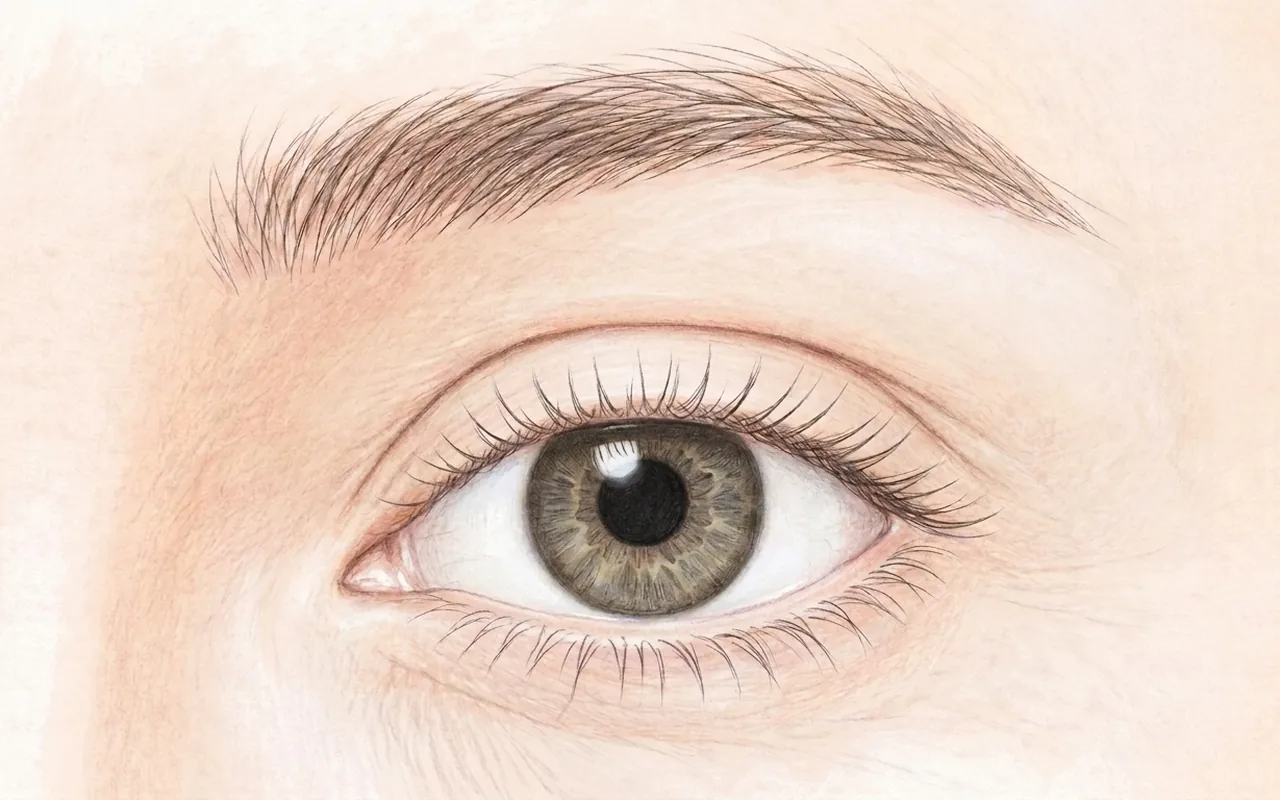
Effects of Incisional Ptosis Correction
Incisional Ptosis Correction, KakaoTalk 1:1 Consultation
The anesthesia method and recovery schedule for incisional ptosis correction can be inquired in advance via KakaoTalk before the consultation.
What is the method of incisional ptosis correction?
It corrects ptosis caused by weak eye-opening muscle strength while removing an appropriate amount of unnecessary fat, skin, etc.
Depending on the individual, side effects such as bleeding, infection, swelling, asymmetry, and scarring may occur, and the degree may vary. Please make your decision after sufficient consultation with a specialist.
Points of Incisional Ptosis Correction
The biggest feature is that the internal structure can be directly confirmed and corrected according to each individual's eye condition.
In addition, it is important not simply to make the eyes open wider, but to consider the degree of pupil exposure, eyelid height, double eyelid line, and left-right balance together to avoid overcorrection and create a natural eye appearance.
Recommended for
- When the eyelid covers the pupil a lot and the eyes look sleepy
- When it is difficult to open the eyes clearly
- When the forehead or eyebrows are used a lot when opening the eyes
- When the eye-opening strength or eyelid height differs between both eyes
- When the eyelid is thick or accompanied by skin sagging
- When more active correction is needed than the non-incisional method
- When desiring double eyelid surgery and ptosis correction together
Postoperative precautions
In the early stage after surgery, swelling, bruising, a pulling sensation, or temporary left-right differences may appear, and these can gradually become more natural during recovery.
Avoid rubbing the eyes hard or applying strong stimulation to the surgical site, and it is recommended to avoid drinking, smoking, sauna, and intense exercise for a certain period. The timing for suture removal, face washing, makeup, and lens wear follows the guidance of the medical staff.
Incisional Ptosis Correction Frequently Asked Questions
3 months after incisional double eyelid and ptosis correction, the line looks broken; will it change more?
If you had ptosis correction, changes can continue for 6 months or more after surgery. This is currently the period when scars etc. can be at their worst, so please do not be too stressed and observe the progress for a while.
It has been one month since my revision ptosis correction. Why does the space between my eyebrows and eyes feel narrower?
After the incisional method or incisional ptosis correction, the eye-opening function improves and the drooping eyelid decreases, so the habit of raising the eyebrows to open the eyes before surgery disappears and the eyebrows return to their original position. This makes it feel as if the distance between the eyes and eyebrows has decreased. The current distance is the original distance between the eyebrows and eyes, and it was farther before surgery because the eyebrows were raised. Since it has been about one month, it is still far from the point where the eyes, eyelids, and eyebrows adapt and settle after ptosis correction. It takes at least 6 months or more. In most cases, as the scar improves and swelling decreases further, it becomes more natural over time, although the speed and degree of recovery vary from person to person.
What should I be careful about during recovery after incisional Ptosis Correction?
In the early stage after surgery, swelling and bruising, a pulling sensation, or a temporary left-right difference may appear, and these may gradually become natural with recovery. Do not rub the eyes hard or apply strong stimulation to the surgical site, and it is advisable to avoid drinking, smoking, saunas, and strenuous exercise for a certain period.
What kind of surgery is incisional Ptosis Correction?
It is a surgery in which the skin is incised along the double eyelid line, and the internal tissues related to eye-opening strength are checked and adjusted directly to improve the position of the eyelid and how much of the pupil is exposed. While correcting ptosis caused by weak eye-opening muscles, a certain amount of unnecessary fat, skin, and the like is trimmed.
In what cases is incisional Ptosis Correction considered?
It is considered when the eyelids cover much of the pupils and look sleepy, when it is hard to open the eyes clearly, when the forehead or eyebrows are used a lot to open the eyes, or when eye-opening strength or eyelid height differs between the two eyes. Whether you are actually a candidate is decided after checking eye-opening strength and the eyelid condition at the consultation.
In what order is incisional Ptosis Correction performed?
The incision line and correction range are designed after checking the eyelid position, how much of the pupil is exposed, eye-opening strength, skin sagging, and left-right asymmetry. An incision is made along the designed double eyelid line to check the structures involved in opening the eyes, and the structure that lifts the eyelid is adjusted and fixed to suit the individual eye condition. If needed, loose skin or unnecessary tissue is trimmed as well, and the incision is sutured after checking eyelid height, pupil exposure, the double eyelid line, and left-right balance.
When is incisional Ptosis Correction considered instead of the non-incisional approach?
Because the internal structure can be checked directly through the incision while correcting, it can be considered when the eyelid is thick or accompanied by skin sagging, or when more active correction than the non-incisional approach is needed. Which method is right is decided by looking at the condition of the eyes.
Can loose skin be trimmed at the same time as Ptosis Correction?
Because the approach is through an incision, loose skin and other tissue that needs trimming can be selectively adjusted together with Ptosis Correction. The extent of trimming is decided individually by looking at the condition of the eyelid.
Will my eyes open too wide after incisional Ptosis Correction?
It is not simply about making the eyes open wide; what matters is avoiding overcorrection and creating natural-looking eyes by considering pupil exposure, eyelid height, the double eyelid line, and left-right balance together.
My two eyes have different eye-opening strength. Can each be corrected to match?
If there is a difference in eye-opening strength or eyelid height between the two eyes, the amount of correction is adjusted to suit each condition. Results vary by individual.
Will the habit of using my forehead and eyebrows a lot when opening my eyes also decrease?
If you use your forehead or eyebrows a lot when opening your eyes, correcting the function of the eyelid can help reduce unnecessary assisting movements. The degree of change varies by individual.
Can incisional Ptosis Correction be done together with double eyelid surgery?
Wanting both double eyelids and Ptosis Correction is also among the cases where incisional Ptosis Correction is considered. It is performed through an incision along the double eyelid line, and eyelid height, pupil exposure, and the double eyelid line are checked together during surgery.
Will a sleepy-looking impression also change after incisional Ptosis Correction?
Adjusting how much of the pupil hidden by the eyelid is exposed helps create clearer-looking eyes, and an improvement can be expected in the sleepy or tired impression caused by difficulty opening the eyes fully. Results vary by individual.
View Ptosis Correction Methods Together
Please review non-incisional and incisional ptosis correction and the overall ptosis correction guide together.
For additional inquiries, contact us via KakaoTalk
1:1 KakaoTalk pre-inquiry — Mon–Thu 10:00 - 19:00 · Fri 10:00 - 21:00 · Sat 10:00 - 16:00.